Web Fundamentals Course — from zero to a dashboard anyone can use
Web and frontend

From zero to a page anyone can use
Plain HTML, CSS and JavaScript, no libraries: it teaches the web from the inside, before any framework.
Beginner12 lessons

Learn with Hábil
Complete, free courses with tested code and step-by-step explanations.

By Dorian Chávez
Co-founder · Chief Executive Officer
Your next project
# Pythonmessage = "Learn by creating"print(message)// JavaSystem.out.println("Create solutions");// Rustlet languages = [ "Python", "Java", "Rust", "Other languages"];Program output: Learning has no limits.
Technologies taught in the courses








Web and frontend
From zero to a page anyone can use
Plain HTML, CSS and JavaScript, no libraries: it teaches the web from the inside, before any framework.
Languages and backend

For people who have never programmed
It assumes nothing: it teaches programming by understanding why each line works, up to a complete program with tests.
Languages and backend

From zero to your first complete program
It doesn't teach syntax: it teaches you to see the errors you can't see.
Languages and backend

The second step, after Go
It teaches what Rust does differently from Go: who owns each piece of data and which errors the compiler catches before running.
Languages and backend

For those coming from Go or JavaScript
Types don't exist at runtime: it teaches what they protect, what they don't, and how to validate data that arrives from outside.
Before this course: Web Fundamentals (HTML, CSS and JavaScript)
Languages and backend

For people who already program in another language
It teaches today's Java: types that express the model, tests, concurrency and a finished program, packaged as a JAR.
Before this course: Python, or knowing how to program in another language
Data and AI
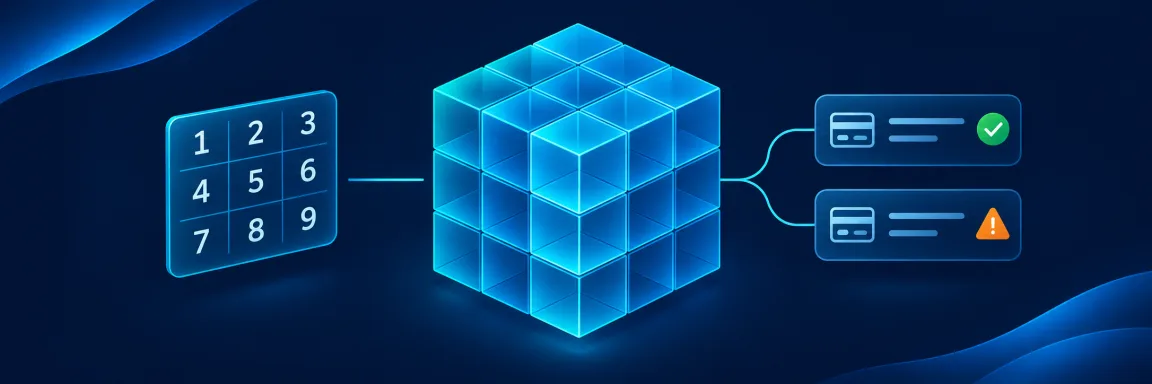
For people who already program in Python
It teaches tensors, the structure underneath artificial intelligence, up to a fraud detector that learns from data.
Before this course: Python, or knowing how to program in another language
Containers and cloud
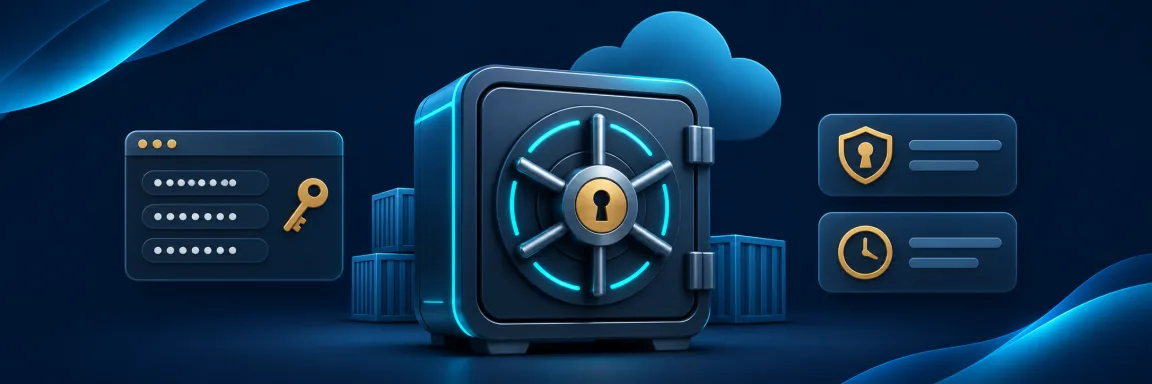
For people who already use the terminal and Docker
It teaches keeping passwords and keys out of the code with Vault and OpenBao, its open-source fork: secrets with permissions, encryption without holding the key, and credentials that expire on their own.
Languages and backend

For people who have already written an API
It teaches choosing the right HTTP status code, returning machine-readable errors with Problem Details, and versioning an API with advance notice.
Practice: Languages and backend
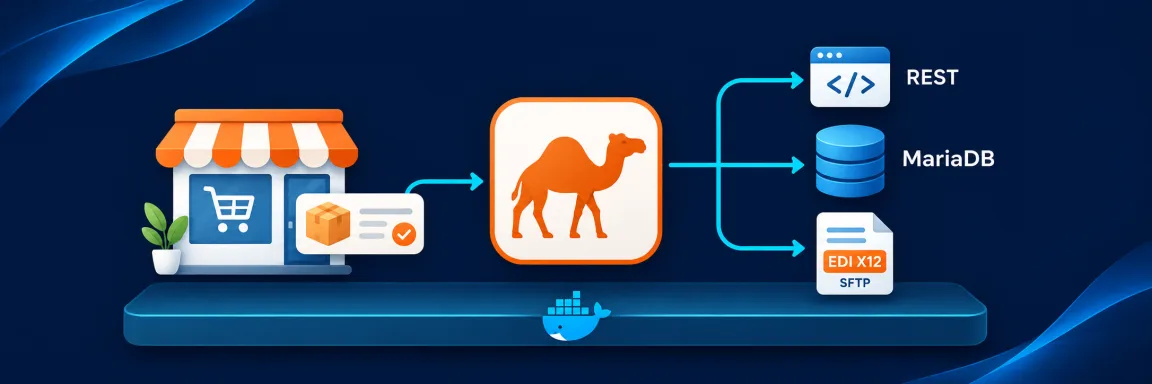
For anyone who already uses the terminal and Git, reads JSON and knows basic SQL
An open, free systems integration practice: every order from a store reaches a REST API, an ERP and an EDI partner without being lost or duplicated.
Containers and cloud

For people who have already built a service
It teaches turning a service into a small image that runs without privileges, with health checks and limits, and bringing it all up with Compose.
Web and frontend

The next step, after TypeScript
It teaches building a multi-screen React app: where state lives, data without race conditions between requests, tests, measurement and shipping.
Before this course: TypeScript. If you have never built a web page, start with Web Fundamentals.
Containers and cloud

The next step, after Docker
It teaches deploying a service on a local kind cluster: configuring, monitoring, exposing, securing and scaling it, measuring what fails and for how long.